Search
No search results found
No search results found
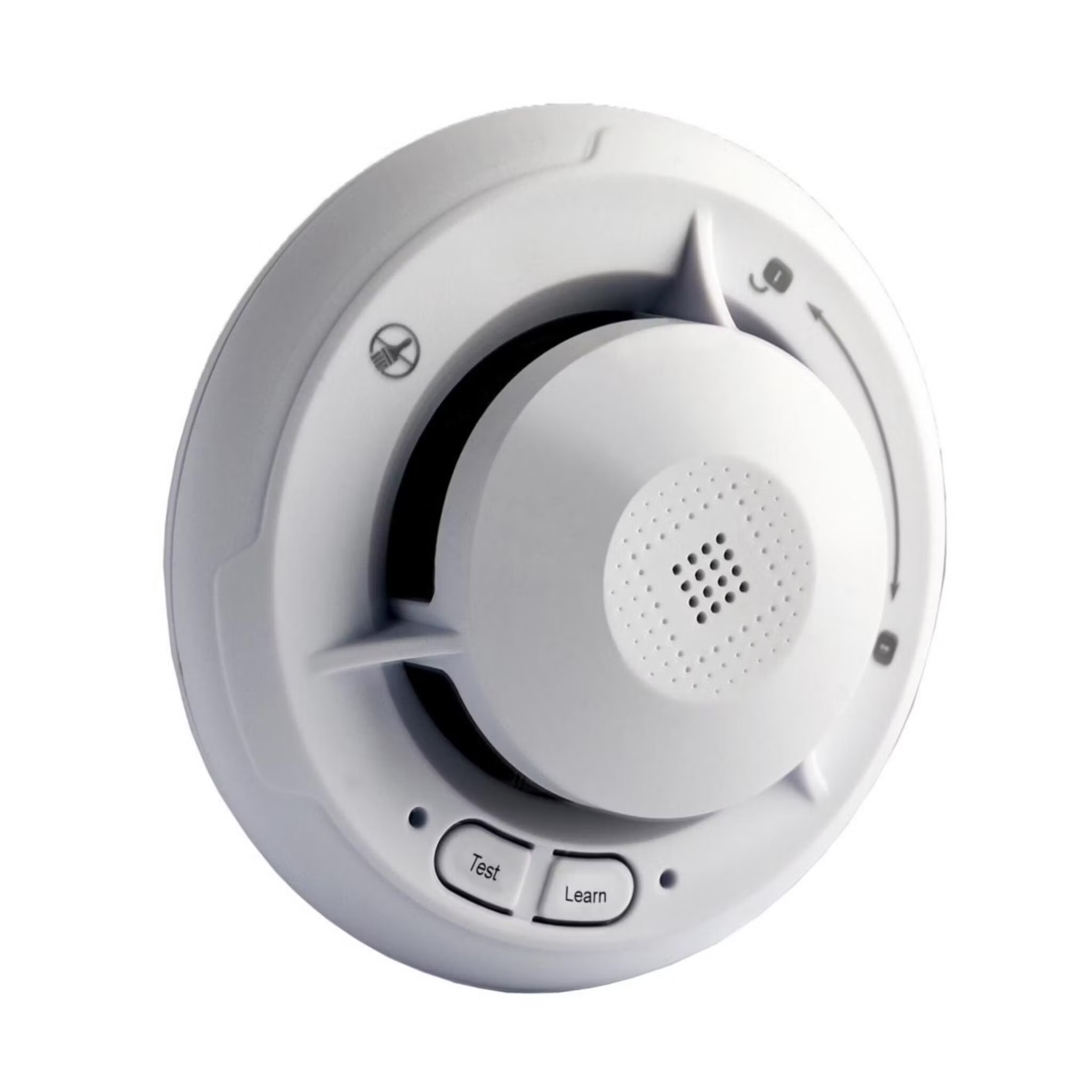
Smoke alarms for hearing impaired – 2-pack
Detecting a fire in time can be crucial. This optical smoke detector is particularly suitable for people with hearing impairment, dementia, cognitive impairment or reduced orientation, where there is a risk of not noticing a fire alarm if they are in another room.
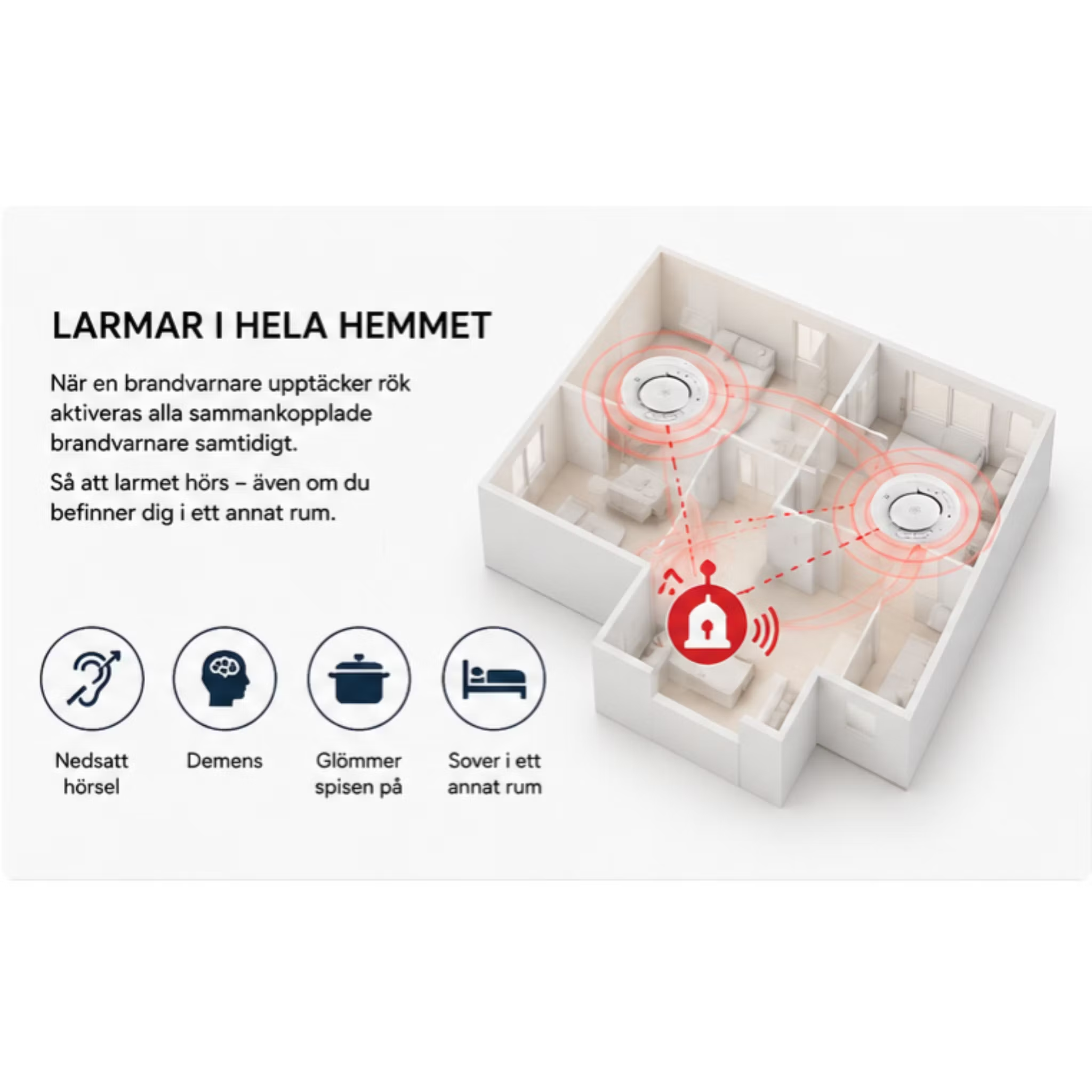
The package includes two interlinkable smoke alarms, making it easy to create increased fire protection right from the start. For example, place one smoke alarm in the kitchen and the other in the bedroom or hallway. When one of the smoke alarms detects smoke, both are activated simultaneously, meaning the alarm will sound even if you are in another room or on a different floor.
Optical technology is particularly effective in detecting smoldering fires, for example if a stove is left on or a fire is slowly developing in the kitchen.
The two included smoke alarms are easy to connect. For example, place one in the kitchen and the other in the bedroom or hallway. If smoke is detected by one smoke alarm, both are activated simultaneously. The system can also be expanded with more compatible smoke alarms to provide comprehensive fire protection in larger homes.
For the best protection, smoke alarms should be placed in or outside each bedroom, in the hallway, and on each floor. In homes where someone has hearing loss or cognitive impairment, interconnected smoke alarms provide significantly greater safety because the alarm can be heard throughout the home. This can be especially valuable if someone, for example, forgets a pan on the stove or doesn't notice that a fire has started in another room.